
I would include here the plethora of cartoon characters that dominate our daily cultural lives—the Simpsons, Futurama, Family Guy,
I frequently have a negative reaction to characters on the Simpsons, and I can barely (and rarely) bring myself to watch South Park—even though I know it represents a significant voice of culture for my kids and my high school students. If I want to know what's influencing them I need to be aware of what they watch on TV and what they talk about.
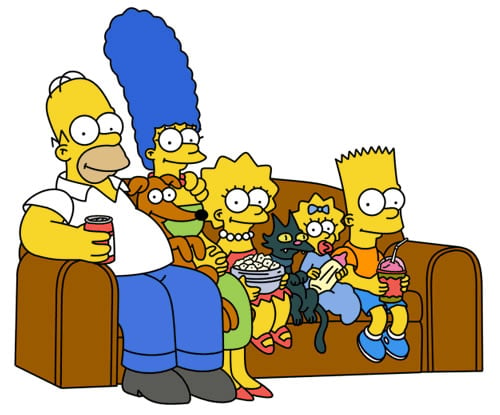
What I don't like about these characters is I frequently find them to be rude, gross and stereotypical. Evidently, that's what makes them so funny.
Both animated and graphic comics seem focus on many things I don’t like about our culture. That's nothing new.The purpose of comics has always been to rattle the cage of cultural complacency. Most of the time I can see past what disturbs or offends me to see that comics today hold up for ridicule our cultural idiosyncrasies and mis-steps (e.g. rampant consumerism and political hypocrisy), and suggest,through humour, that our children become something different---become a new kind of thinker and doer.
In this context I think the writers of graphic novels and comics are ahead of the crowd. Their chosen visual format appeals strongly to the young. It behooves educators to help students decode the images that come at them from every direction.
Visual literacy (or, as it is colloquially known, visuacy[1]) is the ability to interpret, negotiate, and make meaning from information presented in the form of an image. Visual literacy is based on the idea that pictures can be “read” and that meaning can be communicated through a process of reading
.http://en.wikipedia.org/wiki/Visual_literacy
There were lots of signs. Just none that you could read.---The Horse Whisperer

No comments:
Post a Comment